Stage Shortened Amid Heatwave Concerns

Stage Shortened Amid Heatwave Concerns
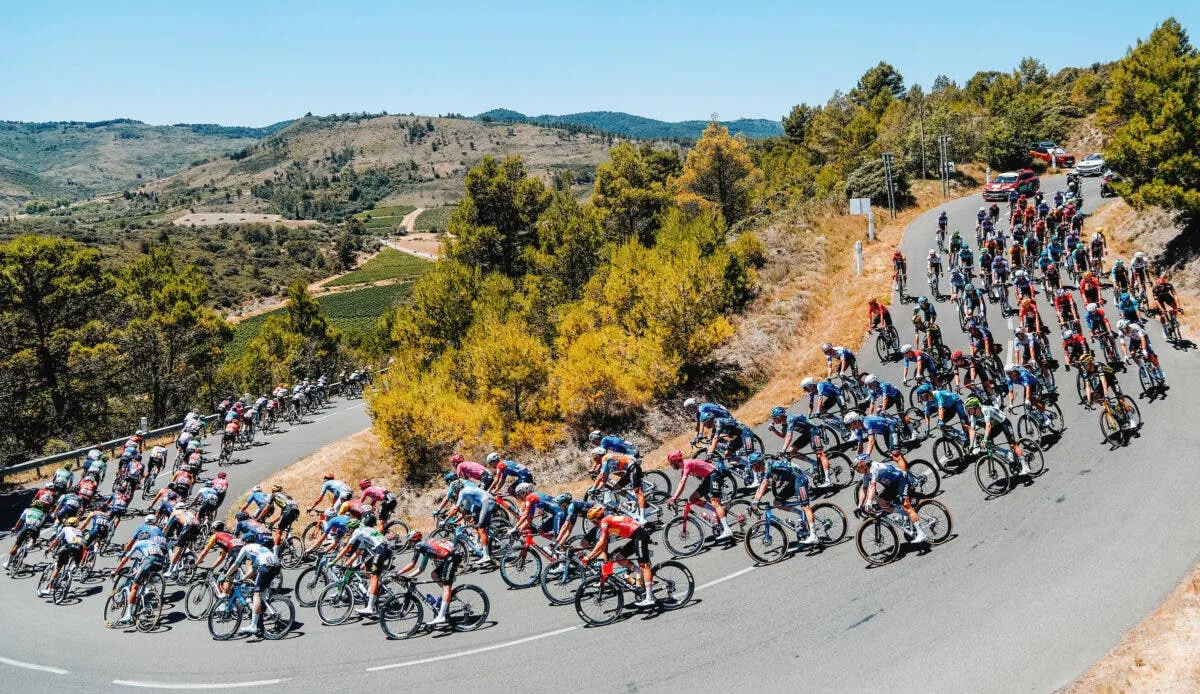
Stage nine of the Tour de France 2026, a 155.5km route from Malemort to Ussel, has been shortened by 30km due to a red heatwave alert in the Corrèze département of central France. This adjustment comes on the eve of the first rest day, presenting opportunities for various riders including breakaway specialists and those eyeing stage wins.
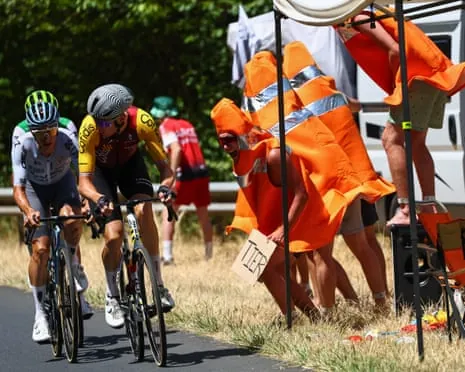
The decision to cut 30km from the stage highlights the extreme temperatures impacting the race. Temperatures have consistently remained high, with averages of 37°C on stage four into Foix and stage eight into Bergerac, marking these as some of the hottest days in the Tour de France in two decades.
The route, despite its reduced length, still features the Suc au May, a climb that could attract climbers. Riders like Mads Pedersen, Tom Pidcock, Quinn Simmons, and Mathias Vacek are among those potentially targeting this stage.
Breakaway Attempts and Sprint Points
Early in the stage, several riders attempted to form a breakaway. Quinten Hermans of Pinarello-Q36.5, Alex Kirsch from Cofidis, and Stefano Oldani representing Caja Rural established a lead of approximately 25 seconds. They were pursued by Ewen Costiou of Groupama-FDJ United and Georg Steinhauser from EF Education-EasyPost.
An intermediate sprint was contested early in the stage. Lidl-Trek actively worked at the front of the peloton to position Mads Pedersen for the available points. Pedersen secured a significant number of points, while Biniam Girmay finished second, earning points. Jasper Philipsen also gained points by finishing third. Tim Merlier was observed further back during this sprint, which allowed his rivals to gain ground in the points classification.
Despite repeated efforts, a sustained breakaway did not immediately form, with many attempts being reeled in by the peloton. The intermediate sprint, located on an uphill section, saw increased effort levels from the riders.
The Growing Importance of Heat Training
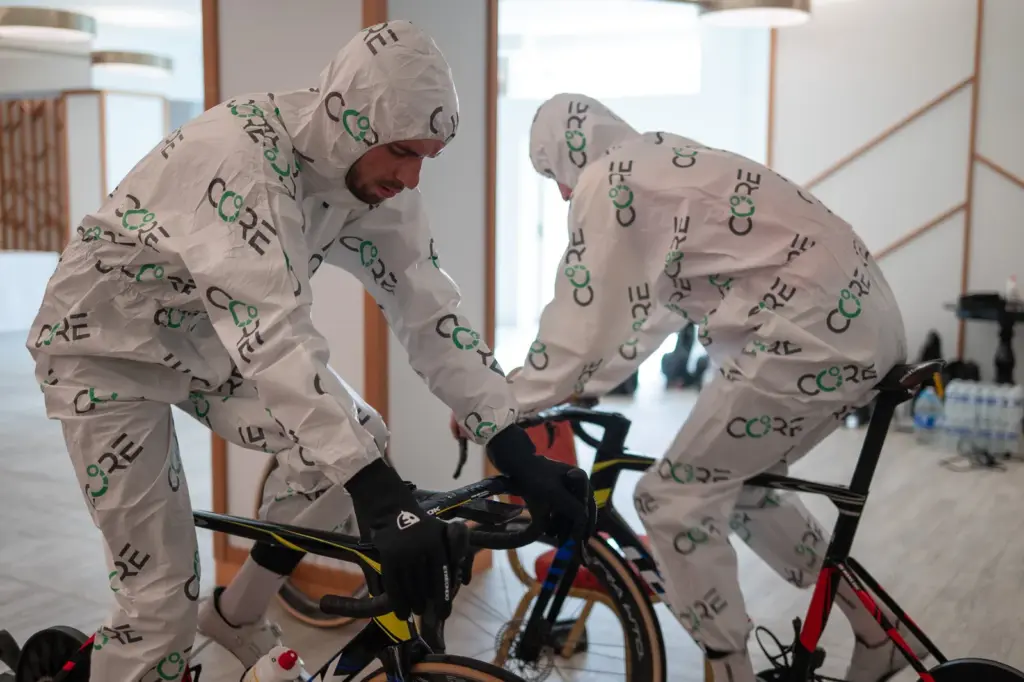
The current conditions in the Tour de France underscore the critical role of heat training in modern professional cycling. This practice, which involves preparing the body for extreme temperatures, has become an essential part of riders’ training regimens.
Heat training encompasses various methods, from indoor sessions in specialized suits to saunas. Its importance stems from its ability to enhance performance in hot conditions by increasing sweat rate, blood plasma volume, and lowering heart rate. It is also believed to offer a blood-boosting effect, similar to altitude training, by increasing hemoglobin mass and improving VO2 Max.
Teams are now proactively integrating heat training into their preparation schedules. Stephen Barrett, head of performance for Decathlon CMA-CGM, noted the positive impact on riders’ abilities to tolerate high temperatures, leading to fewer issues compared to previous years. Similarly, John Wakefield, head of performance for Red Bull-Bora-Hansgrohe, observed a correlation between heat training and sustained performance in the current hot Tour.
While the concept of heat training is not entirely new, recent research has highlighted its physiological benefits, moving it from a niche practice to a crucial component of training. Many teams utilize CORE temperature sensors to monitor riders during heat training sessions, ensuring effective stimulus without the risks of overheating. The UAE Emirates-XRG, Lidl-Trek, and Soudal Quick-Step teams are among those reportedly using this technology.
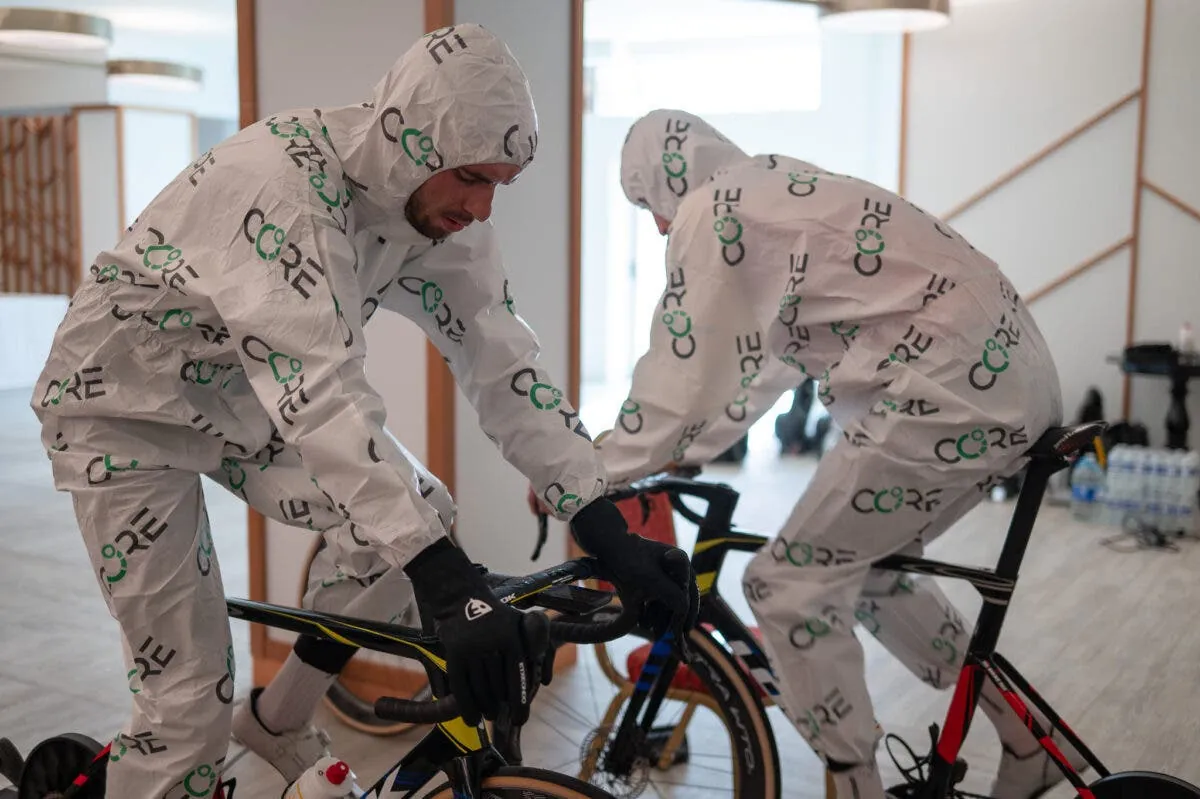
Different teams employ various strategies, including active training in warm climates, indoor sessions with specialized gear, and passive methods like saunas. The optimal approach for heat training, whether for thermoregulation or hemoglobin boost, continues to be an area of ongoing research, with studies from groups like EF Education-EasyPost and CORE contributing to the understanding of its impact.
Read Also
Source: theguardian.com

