Wildfire smoke raises health concerns for World Cup final in New York New Jersey Stadium

Wildfire Smoke Concerns for World Cup Final
The FIFA World Cup final is scheduled for July 19, 2026, at New York New Jersey Stadium in East Rutherford, New Jersey. However, ongoing wildfires in the American and Canadian West are raising concerns about air quality. Plumes of fine particulate matter have frequently covered the northeastern United States, leading to hazardous air quality conditions.
Reports indicate that FIFA currently lacks a comprehensive contingency plan for such an event. The health implications for both players and spectators are substantial.
Wildfire smoke is a complex mixture of fine particulate matter, specifically PM2.5, along with ozone, nitrogen dioxide, carbon monoxide, and volatile organic compounds. PM2.5 particles, which are smaller than 2.5 micrometers in diameter, are a primary health concern because they can bypass the body’s natural defenses, penetrate deep into the lungs, and enter the bloodstream.
According to Dr. Abeer Berry, director of noninvasive cardiology at DMC Huron Valley-Sinai Hospital, air pollution is a significant environmental cardiovascular risk factor, with PM2.5 being the most studied pollutant. Dr. Berry also noted that air pollution is the fourth leading risk factor contributing to global mortality.
Research published in the New England Journal of Medicine suggests that wildfire PM2.5 may be more toxic than urban air pollution. It contains higher concentrations of oxidative and pro-inflammatory chemicals, and its toxic effects on immune cells can be up to five times more intense than typical city pollution when it reaches urban areas.
Dr. Mohammed Alo, a former assistant clinical professor of medicine at Midwestern University, explained that the link between air pollution and cardiovascular disease is well-established. Short-term exposure can increase the risk of myocardial infarction, stroke, heart failure, arrhythmia, and sudden death. Longer-term exposure further amplifies these risks.
Impact on Athletes and Spectators
Elite athletes are particularly vulnerable during periods of poor air quality. During a soccer match, players can cover 10 to 13 kilometers. At peak exertion, their minute ventilation, or the volume of air breathed per minute, can increase tenfold compared to resting. This means athletes inhale significantly more polluted air than sedentary individuals.
A position statement from the Canadian Academy of Sport and Exercise Medicine warns that athletes exercising intensely in poor air quality dramatically increase their intake of harmful particles. This can lead to impaired lung function, airway inflammation, increased airway resistance, and exacerbated asthma.
Cardiovascular effects may include endothelial dysfunction, increased blood pressure, altered heart rate variability, and a heightened risk of heart arrhythmias. For an athlete competing in a World Cup final, these physiological challenges could affect performance, trigger an asthma attack, or potentially cause a cardiac event.
The New York New Jersey Stadium can accommodate over 82,000 spectators. On a smoky day, tens of thousands of people, including vulnerable groups such as children, elderly fans, pregnant women, and individuals with asthma or heart disease, would be outdoors for several hours. The American Heart Association has identified these groups as especially susceptible to PM2.5-related cardiovascular and respiratory issues.
Even healthy adults can experience throat irritation, coughing, headaches, and shortness of breath from hours of exposure at AQI levels above 150, which is considered “unhealthy.” At AQI levels above 200, deemed “very unhealthy,” the U.S. EPA recommends that the general public reduce prolonged outdoor exertion and that outdoor events be rescheduled.
Beyond the stadium, millions of fans could gather at outdoor watch parties, tailgates, and fan zones across the region, further increasing population-level exposure. Dr. Alo advises patients with cardiovascular disease or risk factors to check the EPA Air Quality Index before planning outdoor activities.
Potential Contingencies and Challenges
FIFA faces difficult choices regarding air quality. Relocating the final to a city with cleaner air, such as Dallas or Los Angeles, is considered the most effective health intervention. However, the logistical, contractual, and financial challenges of moving such a major sporting event with short notice are immense.
Playing in a domed or retractable-roof stadium could significantly reduce PM2.5 exposure, especially if the venue has modern HVAC filtration. However, New York New Jersey Stadium is an open-air venue, and a nearby indoor stadium of comparable capacity is not readily available, which would likely necessitate a venue change.
N95 respirators can filter out over 95% of PM2.5 particles and are recommended by sports medicine bodies for athletes training in poor air quality. However, systematic reviews indicate that N95 masks can modestly reduce oxygen uptake, increase perceived exertion and dyspnea, and impair maximal exercise performance, which could be critical in a World Cup final.
No elite soccer governing body has ever required players to compete in respirators, and it is unlikely players would accept this for a crucial match. Distributing N95 masks to 82,000 spectators is logistically feasible and could reduce individual exposure, but compliance would be voluntary, fit varies, and masks do not protect against ozone and other gaseous pollutants.
Postponing the match by 24 to 48 hours, if air quality forecasts predict improvement, may be the most pragmatic compromise. Wildfire smoke episodes are often transient, influenced by wind patterns that can shift within a day. This approach would preserve the venue and the event while prioritizing health. Major sporting events have been delayed for lightning, extreme heat, and volcanic ash, suggesting that air quality should be given similar consideration. The American Thoracic Society, the American Heart Association, and sports medicine organizations worldwide agree that outdoor activity should be modified or curtailed when AQI levels are elevated.
A timelapse video shows the MetLife Stadium, the Empire State Building, and the Statue of Liberty nearly disappearing in a thick haze of smoke across the New York City region. On July 16, air quality in western regions of New York was considered “very unhealthy,” while the New York City metro area experienced “unhealthy” air quality.
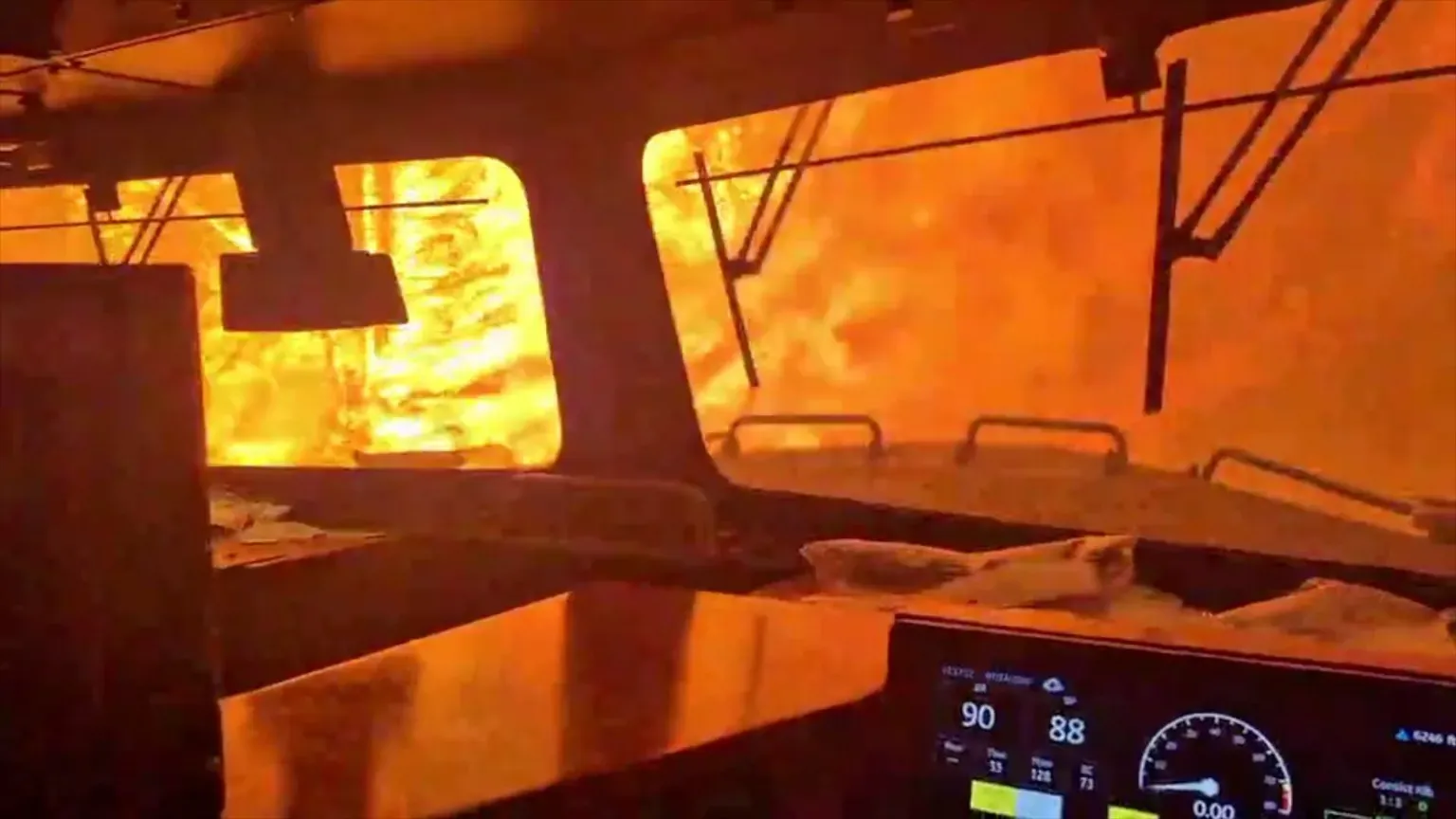
Many individuals in New York City, the most populous city in the US, were observed wearing masks to protect themselves from the smoke. More than 800 wildfires are currently burning across Canada, with air quality alerts extending into multiple US states.
Read Also
Source: forbes.com

