World Cup: Argentina joins England, Spain, and France in semifinals

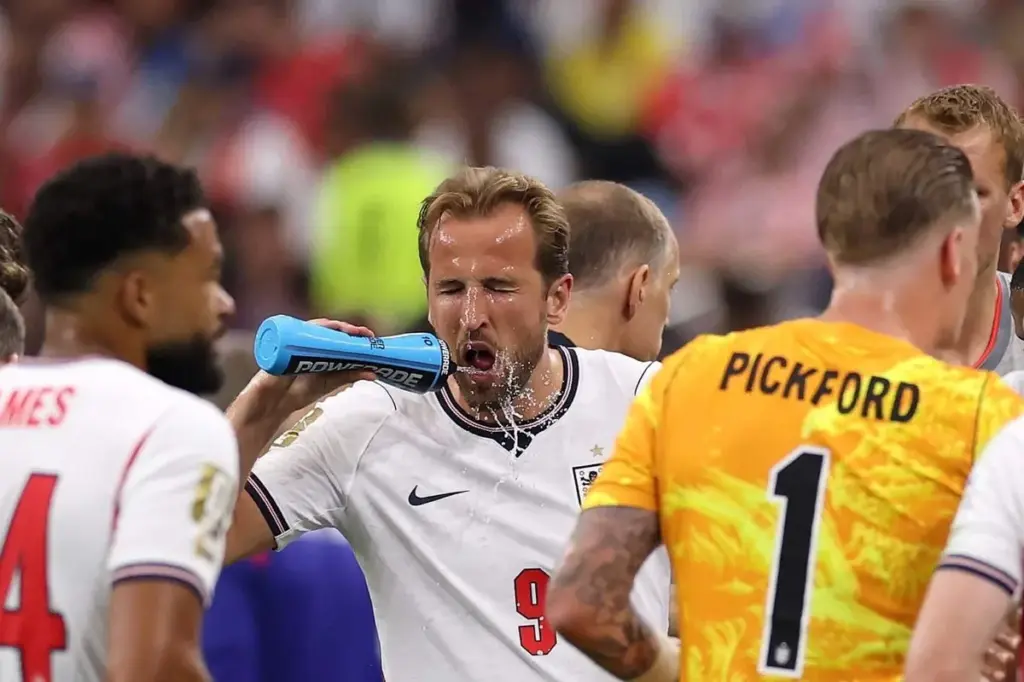
World Cup Semifinalists Emerge
Argentina has advanced to the semifinal stage of the World Cup, joining England, Spain, and France in the competition. The tournament has progressed with significant moments, including a recent match between England and Norway that generated discussion.
During the England–Norway quarterfinal, an incident described as the “Cable of God” occurred. This event has been added to the collection of moments that fuel conspiracy theories among some World Cup fans, reminiscent of Diego Maradona’s “Hand of God” goal against England decades ago. Such incidents, including overturned red cards, late calls, and debatable VAR decisions, often lead to speculation, especially when a team faces an unfavorable outcome.
Extreme Heat Conditions Affect Matches
As the World Cup continues, a heatwave has impacted large areas of the United States, causing temperatures to rise significantly. For instance, extreme heat was anticipated in Miami Gardens for the quarterfinal match between England and Norway. A heat advisory was in effect for several hours, with the heat index projected to be near 110F (43C). Such conditions could potentially lead to heat-related illnesses for both players and spectators.
The match between France and Paraguay in Philadelphia recorded some of the highest temperatures of the tournament so far, with forecasts indicating a high of 100F (38C) and a heat index ranging between 105F (41C) and 115F (46C). Prior to the tournament, researchers had warned that temperatures at many of the stadiums in the United States, Mexico, and Canada could reach dangerous levels. Health experts had also alerted FIFA about potential “worrying levels of heat stress” on players, advocating for improved protections like extended cooling breaks and clearer protocols for delaying or postponing games under extreme conditions.

The wet bulb globe temperature (WBGT) is a measure used to estimate the combined effects of air temperature, humidity, wind, and sunlight on the human body. This measure, originally developed by the U.S. Navy and U.S. Marine Corps, sets safety standards for various exertion levels. For example, 25C (77F) is the standard for very high exertion, while 33C (91.4F) is for rest. FIFA’s emergency care manual currently states that suspending or postponing a match is formally considered when the WBGT is “near, at or above 32C (89.6F).” However, an open letter suggests this threshold is “impossible to justify,” and the global player union FIFPro recommends delaying games when WBGT exceeds 28C.
Physiological Impact of Heat on Players
When heat and physical exertion combine, the human body’s core temperature rises. Sports scientists explain that the body acts as an engine, generating heat during exercise. In hot environments, the body also absorbs heat from its surroundings, which becomes problematic when the external temperature approaches or exceeds the body’s core temperature, typically around 37C (98.6F). This accelerates the rate at which a person’s heat tolerance is reached, with a rise in core temperature being a significant “danger factor.”
The body has mechanisms to cope with heat, including widening blood vessels to bring blood closer to the skin surface for heat dissipation. The next defense is sweating, where the evaporation of sweat provides a cooling effect. Humidity can make cooling more challenging because moisture in the air hinders sweat evaporation. When humidity exceeds 50 percent, the effectiveness of sweating as a cooling mechanism is significantly reduced.
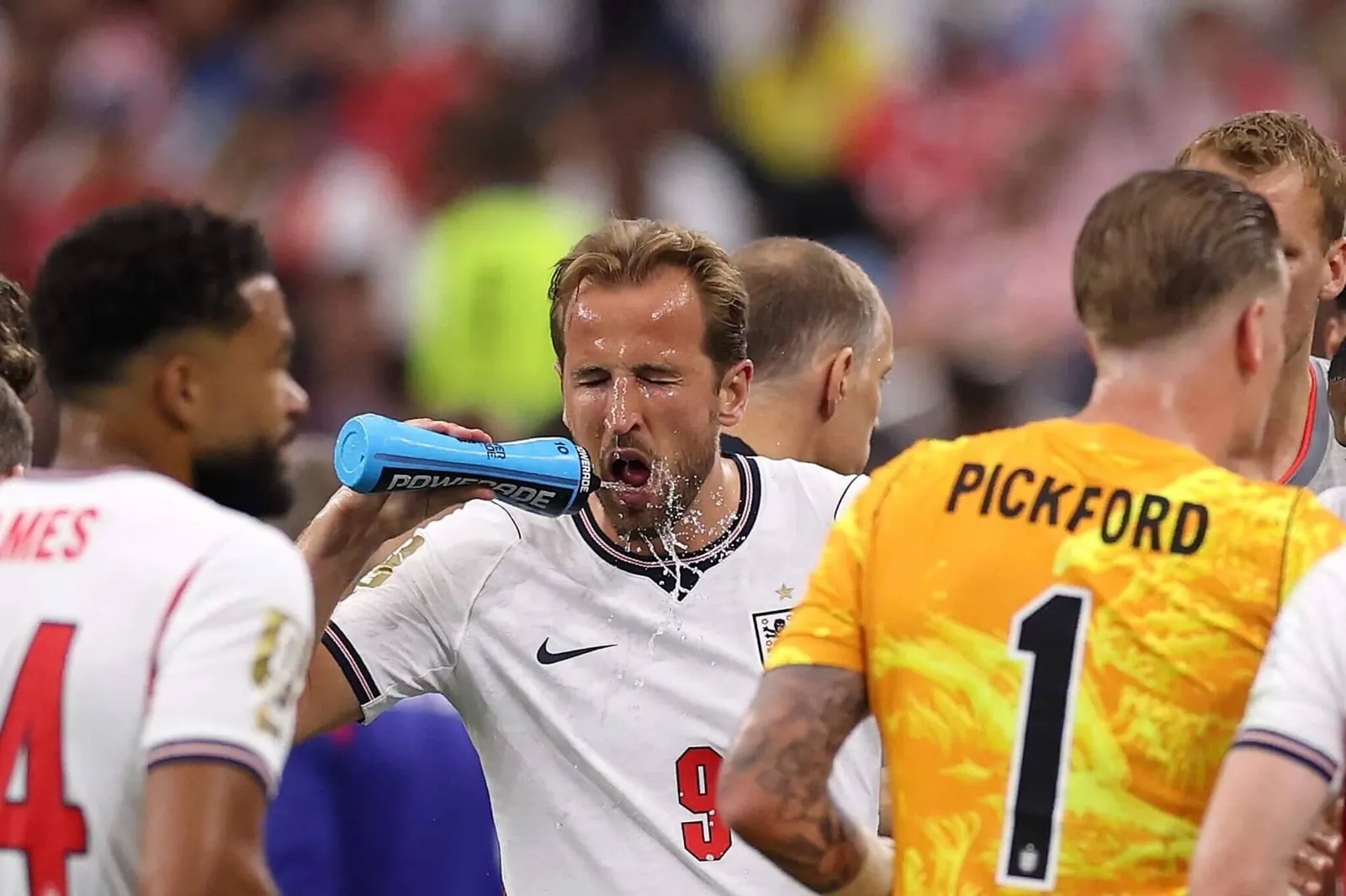
Acclimatization periods, where teams train in conditions similar to those they expect to encounter, are often undertaken by athletes competing in hot climates. This helps players adapt to the feeling of heat and trains their bodies to expel heat more efficiently through increased sweating. Sweating also leads to the loss of fluids and electrolytes, which are crucial for muscle contraction and maintaining fluid balance within cells. Sodium and chloride are among the electrolytes most commonly lost through sweat, though the amount and composition can vary significantly among individuals.
Some players can lose substantial amounts of fluid during a game, potentially up to five kilograms (11lbs), with significant salt loss. Electrolytes play a vital role in the brain-muscle relationship, and their depletion can impact physical output and the ability to contract muscles, potentially increasing injury risk. Elite teams often conduct sweat tests on players to determine individual electrolyte loss and develop personalized hydration strategies, which may include high-dose electrolyte drinks for some. During cooling breaks, the focus is on replacing electrolytes, as it is challenging to replenish sufficient liquids in short stoppages.
The World Cup continues to highlight both the competitive intensity on the field and the environmental challenges faced by athletes.
Read Also
Source: sports.yahoo.com

