Big Ten dominance looms as SEC football media days begin

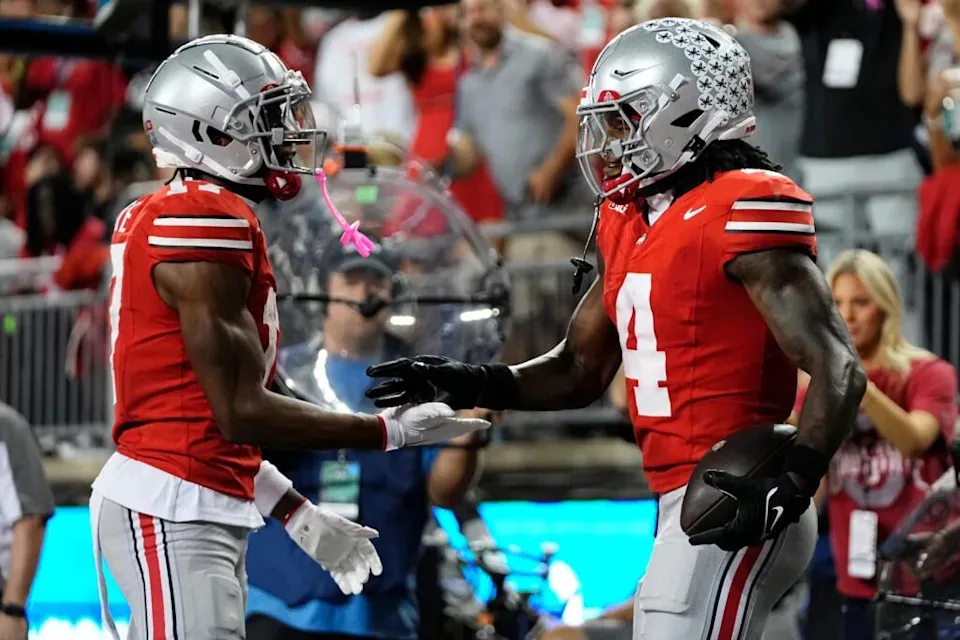
As the World Cup concludes, attention shifts to college football with the start of SEC media days. The league, which often refers to itself as college football royalty, is facing a period where its dominance has been challenged by the Big Ten.
Brent Venables of Oklahoma was among the first coaches to speak at the SEC‘s football media days in Tampa. Despite the league’s self-proclaimed status, recent seasons have seen a shift in power dynamics within college football.
SEC faces competitive challenges
SEC Commissioner Greg Sankey highlighted the league’s achievements, noting that Southeastern Conference football is the second most-watched sports property in the United States, behind only the National Football League. He also mentioned that SEC football programs draw an average of 80,000 fans per game, which he stated is the highest average attendance for any sport globally.
Sankey also reported that the SEC secured 13 national championships in the past school year, surpassing its previous record of 10. However, these championships did not include football, marking a period without a football national title for the league.
The SEC‘s recent struggles in football coincide with a period of success for the Big Ten. The Big Ten has claimed the last three national titles, with three different teams winning. In head-to-head matchups against its conference rivals, the Big Ten has a strong record over the past three seasons.
Financially, the Big Ten has also shown significant strength. While the SEC exceeded $1 billion in earnings last year, the Big Ten reported a higher figure. The Big Ten has also leveraged its alumni network, with figures like Mark Cuban (Indiana), Larry Ellison (Michigan), and Phil Knight (Oregon) contributing to their schools.
The departure of Kevin Warren from the Big Ten to the Chicago Bears followed his negotiation of a significant media-rights deal and his leadership in expanding the Big Ten‘s geographical reach. This expansion, combined with Oregon‘s on-field success, including a CFP quarterfinal and a semifinal berth, has contributed to a strong foundation for the conference.
Conference rankings and outlook
According to one ranking of the Power Four conferences for the 2026 College Football Season, the SEC is considered the gold standard. It is recognized for its combination of elite national championship contenders, depth, and week-to-week difficulty. Teams such as Georgia, Texas, LSU, Alabama, Texas A&M, Oklahoma, Ole Miss, Tennessee, Florida, Auburn, and South Carolina are expected to compete for major bowl games or the expanded College Football Playoff.
The Big Ten is ranked second, featuring elite teams at the top like Ohio State, Indiana, and Oregon, which are considered national title contenders. USC and Michigan also possess the talent for deep playoff runs, and Washington could improve. However, the conference’s depth is not seen as comparable to the SEC, with a noticeable drop-off after its top programs.
The Big 12 is positioned as the third-ranked conference. It is described as one of the most unpredictable leagues, with teams like Utah, BYU, and Texas Tech showing momentum. While it has depth, the Big 12 is noted for lacking a clear national championship contender. The ACC is ranked fourth, entering the season with more uncertainties. Miami is identified as the conference’s primary hope for national competition, but other teams like Clemson, Florida State, North Carolina, Louisville, and NC State face significant questions. The ACC is seen as lacking both elite depth and proven championship-caliber teams.
The SEC‘s current situation has been described as a potential critical transition, especially with the retirement of Nick Saban and the challenges faced by some traditional powerhouses like Auburn and Florida. Several new head coaches are joining SEC teams, including Alex Golesh, Jon Sumrall, Will Stein, Ryan Silverfield, Pete Golding, and Lane Kiffin, who is new to Baton Rouge.
The previous season saw 10 SEC teams in the preseason top 25, but some experienced significant changes, including two teams firing their coaches and another falling out of the rankings. Meanwhile, Indiana, a Big Ten team, secured a national championship trophy on the final day of the season.
Read Also
Source: cnn.com

