McIlroy wins driving battle against DeChambeau at The Open Championship

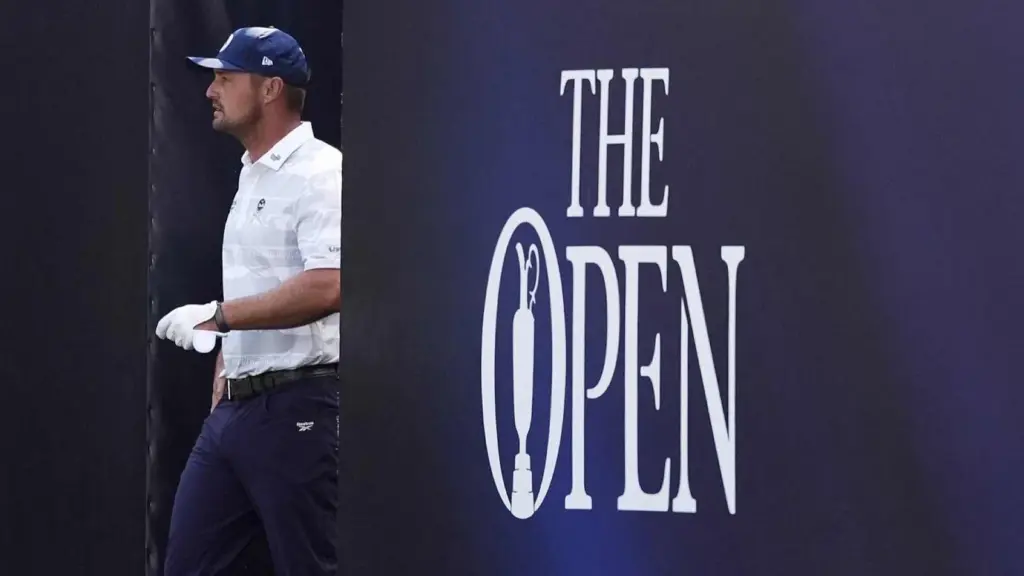
McIlroy and DeChambeau’s Rivalry at The Open
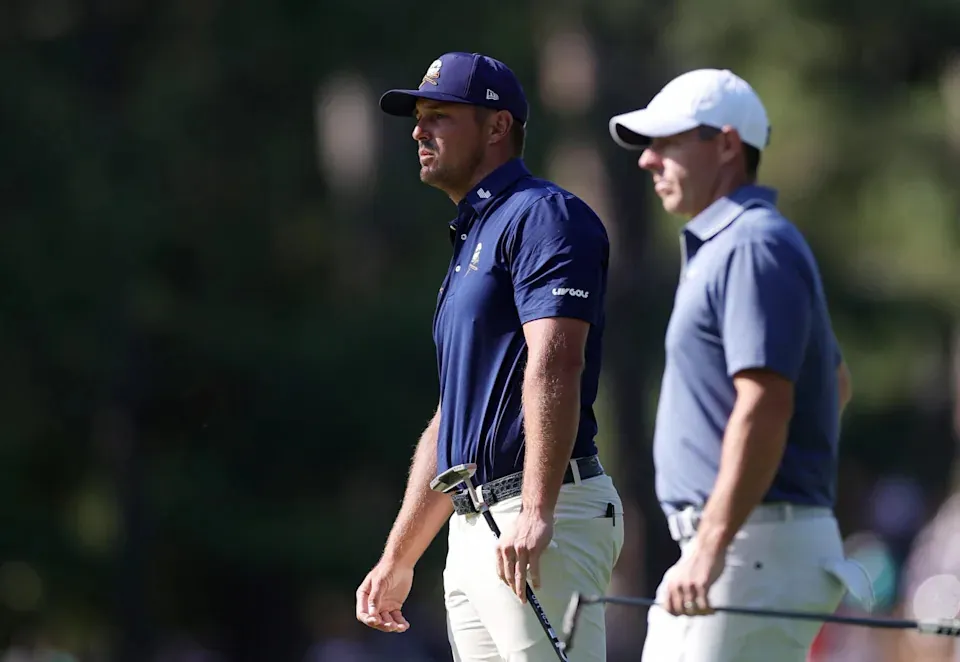
The Open Championship at Royal Birkdale saw a renewed rivalry between Rory McIlroy and Bryson DeChambeau, even though neither golfer ultimately claimed victory. While DeChambeau finished in 14th place, and McIlroy tied for 40th, McIlroy secured a notable win in the driving statistics.
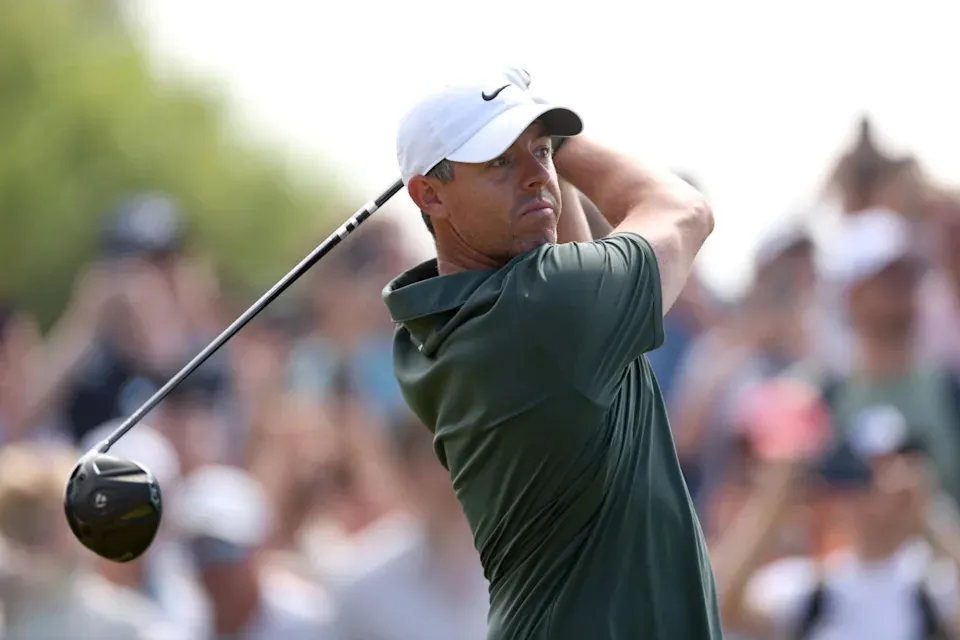
The competition between the two golfers, known for their prowess off the tee, extended beyond the leaderboard. McIlroy emerged as the leader in Strokes Gained: Off-the-tee, recording a figure of +7.982. This placed him significantly ahead of Aldrich Potgieter, who was second with +5.439. In contrast, DeChambeau ranked 19th in this category, with a figure of +2.496, trailing behind players such as Scottie Scheffler, Brooks Koepka, and Rickie Fowler.
Beyond Strokes Gained, McIlroy also outperformed DeChambeau in driving distance. McIlroy’s average driving distance was 339.3 yards, placing him first among all competitors. DeChambeau’s average was 323.8 yards, ranking him 10th. Furthermore, McIlroy registered the third-longest drive of the tournament at 389.2 yards, while DeChambeau’s longest effort was 373.8 yards, ranking 29th.
In terms of driving accuracy, neither golfer demonstrated exceptional precision. McIlroy was tied for 67th, hitting 28 out of 56 fairways for an accuracy of 50%. DeChambeau was further down the rankings at 143rd, hitting 21 out of 56 fairways, resulting in 37.5% accuracy. It is worth noting that DeChambeau used his driver more frequently, opting for it on 36 out of 56 holes, compared to McIlroy’s 30 out of 56.
Controversy Surrounding DeChambeau’s Penalty
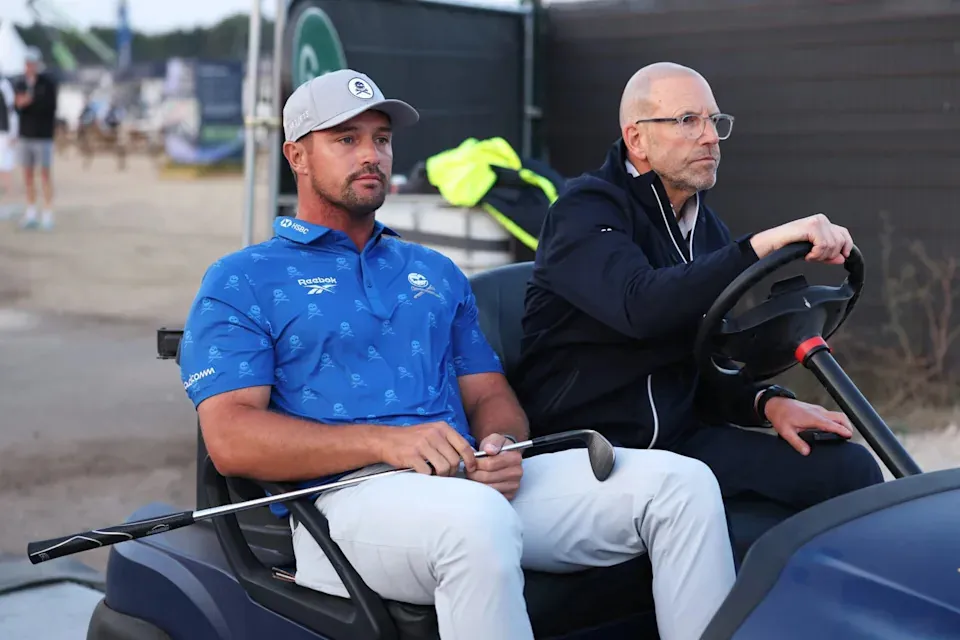
The tournament also saw controversy involving DeChambeau, who received a two-shot penalty on the second day. This penalty led to a delay in the release of third-round tee times and prompted his manager, Brett Falkoff, to state that DeChambeau was considering withdrawing from the event. Falkoff emphasized that his client was “not a cheater.”
McIlroy publicly criticized DeChambeau’s reaction to the penalty, describing it as “performative” and an attempt to gain attention. He stated that holding the tournament hostage and making players and volunteers wait was “not a great look.”
The incident sparked a broader discussion about the relationship between individual players and golf’s governing bodies, such as the R&A. Fans at Royal Birkdale were observed encouraging DeChambeau to challenge the establishment, with some expressing disdain for the tournament organizers.
Scottie Scheffler also commented on the ruling, indicating he had much to say but had not yet decided what to share publicly. The debate surrounding DeChambeau’s penalty extended to whether he was being scrutinized more closely than other players, given that not all shots are captured on camera.
McIlroy acknowledged the difficulty of policing every player, noting that golf is largely a self-policing game. He suggested that when self-policing fails, governing bodies are tasked with enforcing the rules. The ruling against DeChambeau was deemed fair and correct, highlighting the R&A’s role in upholding the integrity of the game, even when it involves penalizing popular players.
The Broader Implications for Golf
The events at The Open Championship underscored a tension between individual players and established institutions in golf. The public discourse around DeChambeau’s penalty focused less on the specifics of the rule infraction and more on the perception of fairness and the enforcement of regulations.
Some argue that an anti-establishment stance can benefit golf by pushing for change and greater transparency from governing bodies. However, others suggest that such a stance also carries a responsibility to understand the broader purpose of these institutions, which, in the case of the R&A, is to promote golf globally.
The incident highlighted the challenges faced by governing bodies in maintaining their authority and ensuring rules are applied consistently, especially as individual players gain significant public influence. The situation at The Open Championship demonstrated the ongoing struggle between tradition and evolving player dynamics within the sport.
The debate surrounding DeChambeau’s actions and the subsequent reactions from other players and the public illustrate the complex environment in which major golf tournaments now operate.
DeChambeau did return to play at The Open Championship following the penalty.
Read Also
Source: sports.yahoo.com

