Riders group and Tour de France leader call for action amid extreme heatwaves

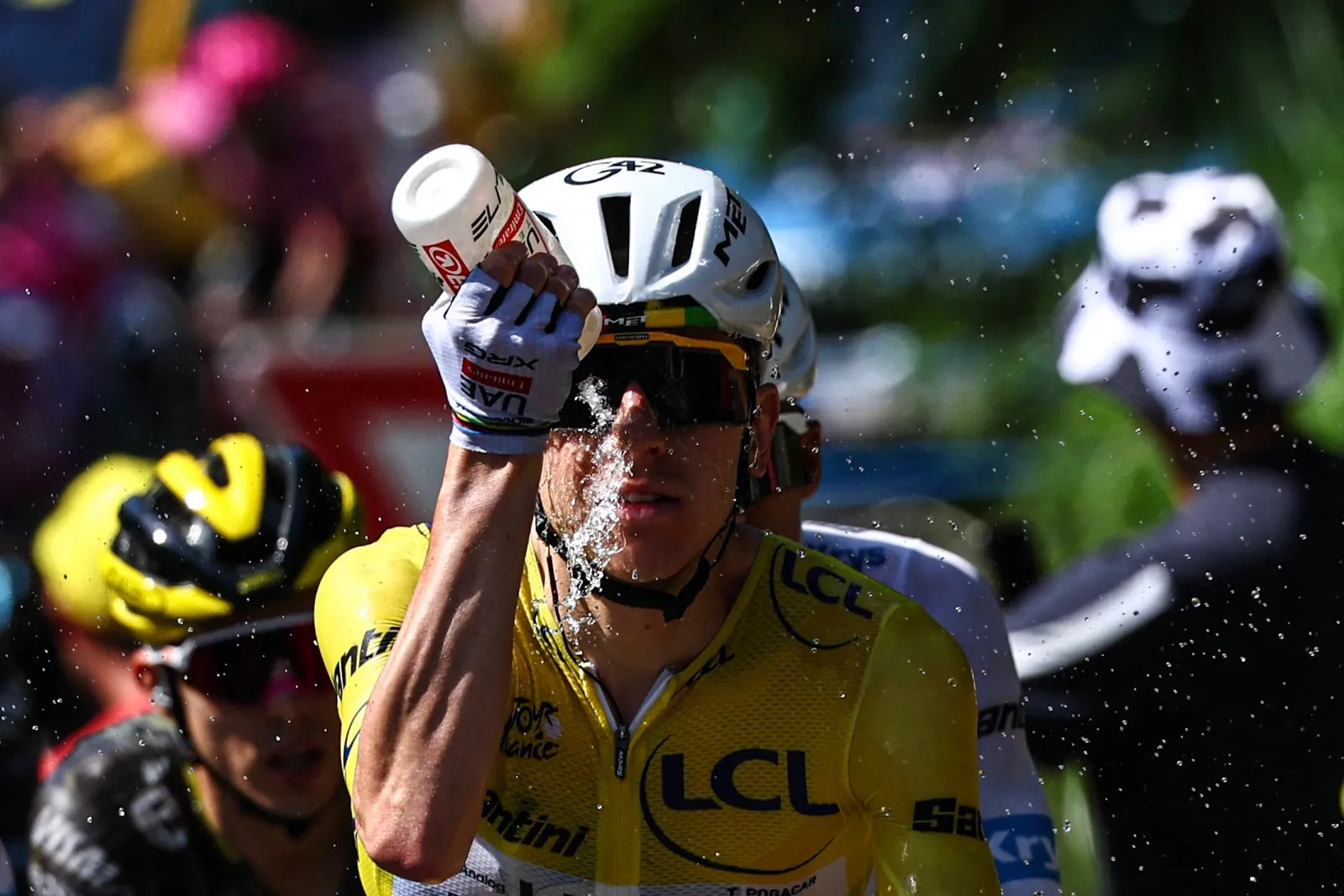
Competitors in the Tour de France are facing extreme temperatures, prompting calls for significant changes to the race schedule and broader sport calendar. The Professional Riders’ Association (CPA) and current race leader Tadej Pogačar have both voiced concerns regarding rider safety and the increasing frequency of heatwaves.
Since its start in Barcelona on July 4, the Tour has experienced multiple heatwaves. Public safety rules led to the absence of the publicity caravan and many spectators on stage 3 due to related wildfires. Additionally, stage 9 was shortened by 30km on Sunday because of what organizers described as an “exceptionally intense heatwave.”
Calls for immediate and future changes
The CPA addressed the issue on Sunday morning, highlighting the dangerous situation and the need for action. The association confirmed it consulted with race organizer ASO and the president of the jury regarding extreme weather protocols, leading to agreements. These agreements included a 2% increase to time limits to help riders manage the difficult conditions.
Looking ahead, the CPA stated that all involved parties, including the association itself, will convene whenever severe weather conditions threaten rider health. The group also reiterated its call for changes to summer race start times, emphasizing that the current schedule is no longer safe for athletes. The CPA urged discussions with all stakeholders this winter to find solutions before the 2027 season.
Tadej Pogačar, a prominent figure in the sport, also used his platform as Tour leader to suggest a radical transformation. He proposed altering the entire racing calendar, stating he would avoid racing in July and August in hot locations. While acknowledging the complexity of such a change, he also mentioned that starting stages earlier could be a potential next step.
However, Pogačar noted that earlier starts, such as 10am, could result in finishes during hotter parts of the day than currently experienced. Most stages typically conclude around 5:30 pm local time. He also pointed out that starting stages at 8am or 9am would demand riders wake up as early as 5am, which he described as challenging, though he believes the body can adapt.
Riders coping with extreme conditions
Riders are employing various strategies to cope with the heat. Many teams are consuming large quantities of water, with bottles being guzzled, sprayed, or poured over heads. One team, EF Education-EasyPost, has a dedicated vehicle for producing and transporting ice. Ineos Grenadiers reportedly used innovative methods to cool their riders before the opening team time trial.
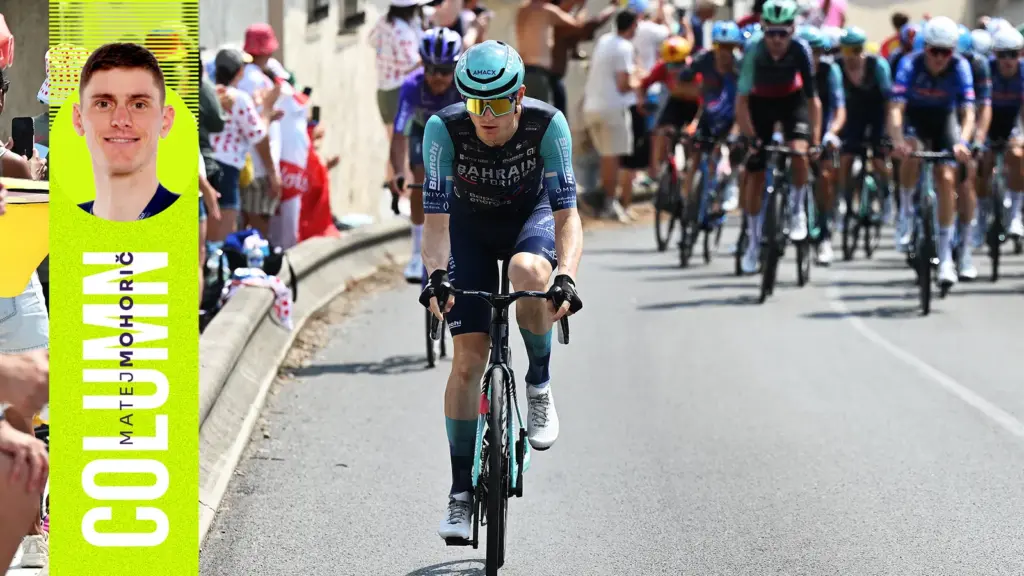
Matej Mohorič, a cyclist for Bahrain-Victorious, described the conditions as similar to altitude, noting that some riders adapt better than others. He detailed his own routine, which includes wearing a cooling vest, placing ice socks down his back and on his chest, and tucking ice cubes under his arm sleeves. During races, he pours cold water over himself every 20 to 30 minutes to aid evaporation and skin cooling.
Mohorič highlighted the critical importance of bottles in these conditions, stating that his team uses approximately 80 bottles of water and 40 bottles of carbohydrate drink, along with 60 to 80 ice socks, during a four-hour stage. He noted that while he has raced in similar heat before, the sustained high temperatures over many consecutive days are unprecedented in his experience. He anticipates riders will be more fatigued than in previous years due to the extra effort required to manage the heat.
Former rider Tony Gallopin commented on the toll the heat is taking, observing that riders are becoming worn out and tired. He described the current situation as extreme, with temperatures reaching 40 degrees Celsius inside cars, and suggested that such conditions will become recurring. Double stage winner Tim Merlier praised the decision to shorten Sunday’s stage, noting that he had not experienced such prolonged heat in his career.
The heat has always been a factor in the Tour, with historical instances like Tom Simpson’s death in 1967 partly attributed to high temperatures. However, this year’s Tour has been notably hotter than previous editions. Climate data indicates an upward trend in temperatures, and this July has been particularly scorching. Some riders have reportedly lost up to 10 pounds of body weight due to dehydration during stages.
Riders plan to use Monday’s rest day for recovery. Matteo Jorgenson indicated he would forgo the usual training ride to maximize time in air conditioning. However, Pogačar’s UAE Team Emirates-XRG team reportedly faced an issue with hotel air conditioning, according to journalist Carlos Arribas. Despite this, RMC Sport reported that the squad is using a customized Eight Sleep system to regulate sleeping temperatures, with the technology costing over 3,000 per rider, totaling more than 26,000 for the team.
The persistent heat presents a significant challenge for both riders and race organizers, requiring substantial consideration for future events.
Read Also
Source: velo.outsideonline.com

